
To know all the information and articles of our company, you will find our blogs and news.
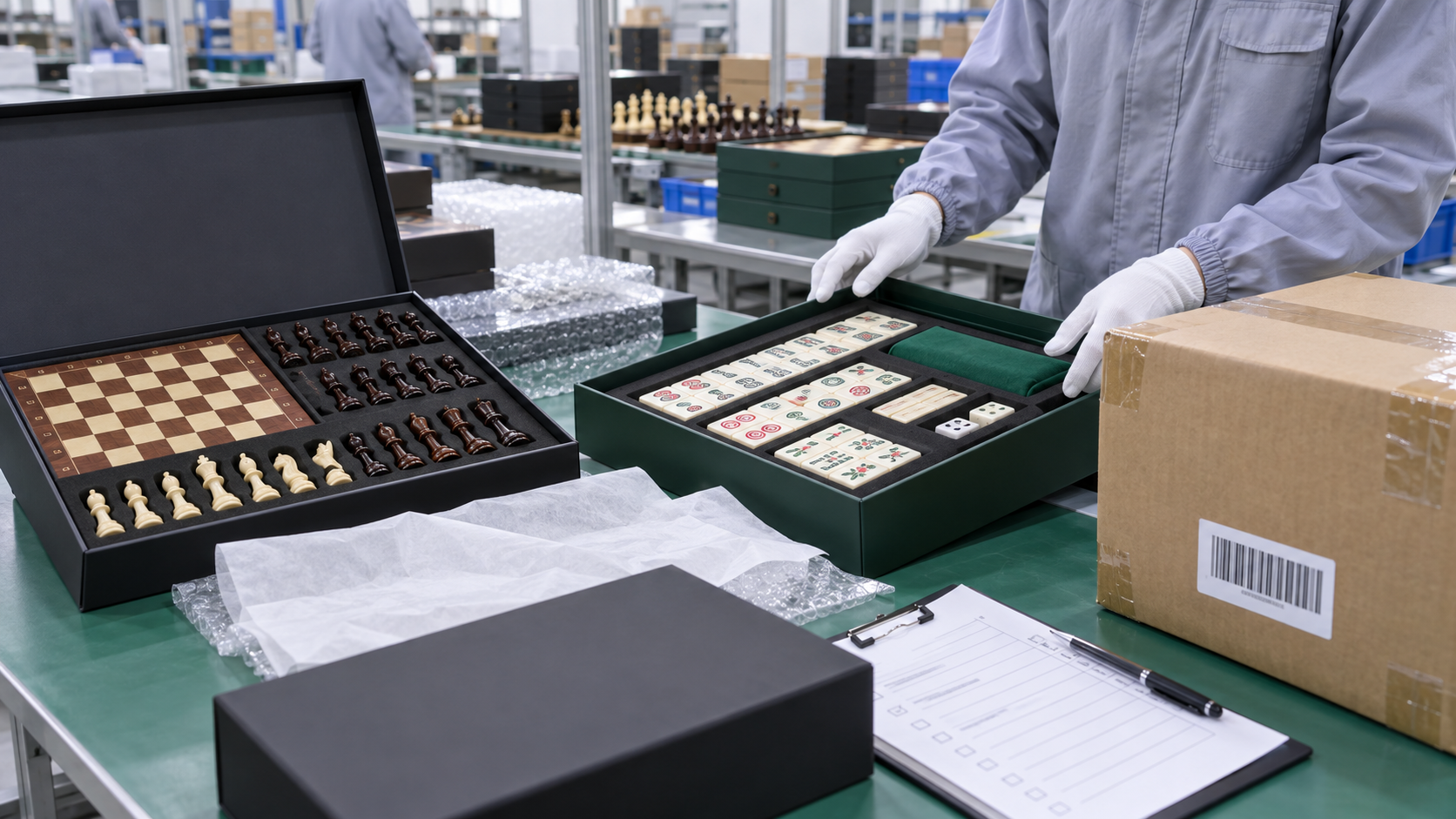
A pre-shipment inspection is the last practical point to verify whether the approved sample, production files, packing specification, and finished goods agree. For custom game sets, inspection should examine complete packed units as well as individual components, because a correct chess piece or mahjong tile can still fail the customer experience if the case, insert, label, or carton is wrong.
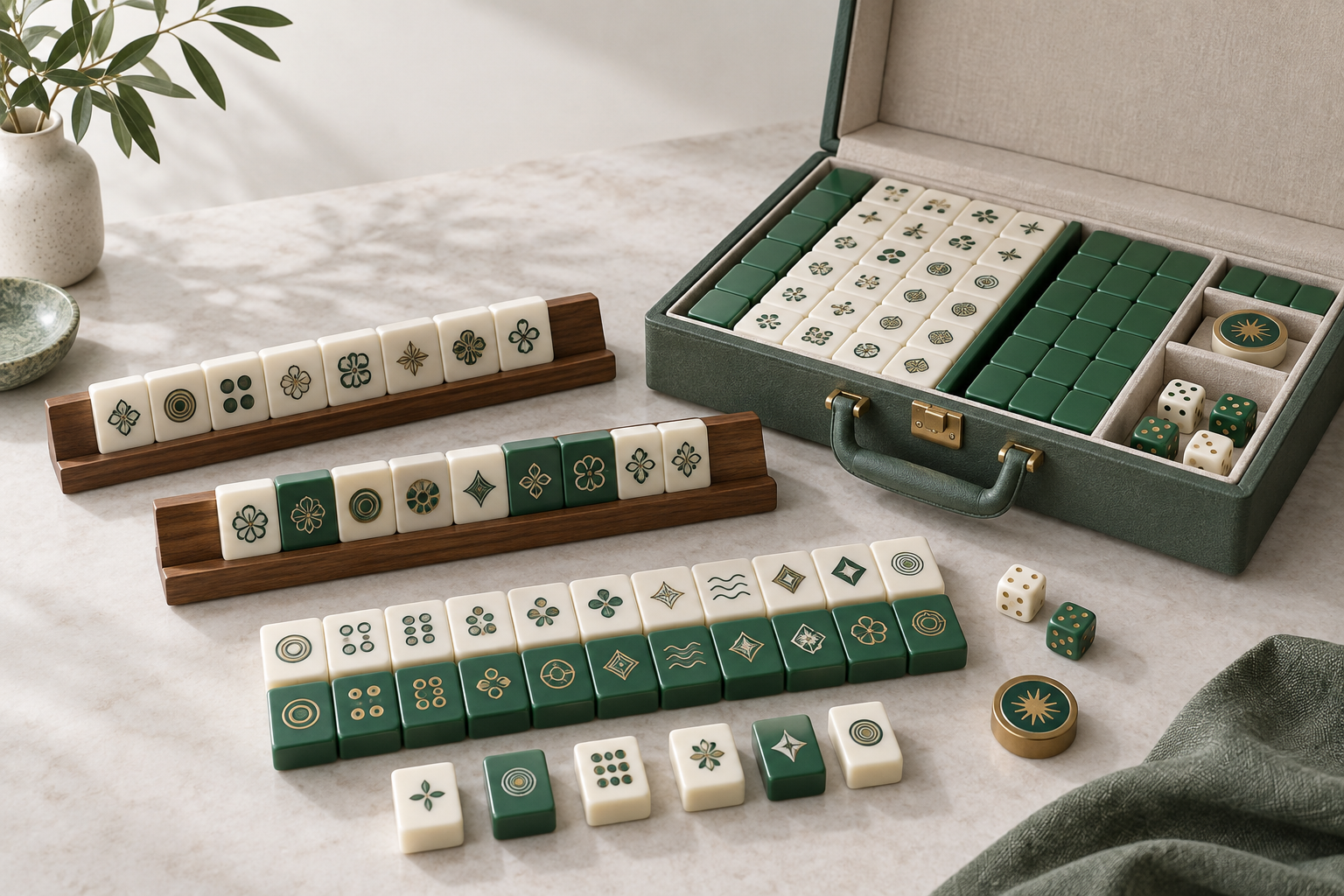
A retail-ready custom mahjong set starts with a configuration decision: which ruleset the customer will play, how the tiles will be handled, what accessories belong in the case, and what level of presentation the brand requires. Tile size is important, but it must work with tile thickness, rack length, storage layout, and the target market.
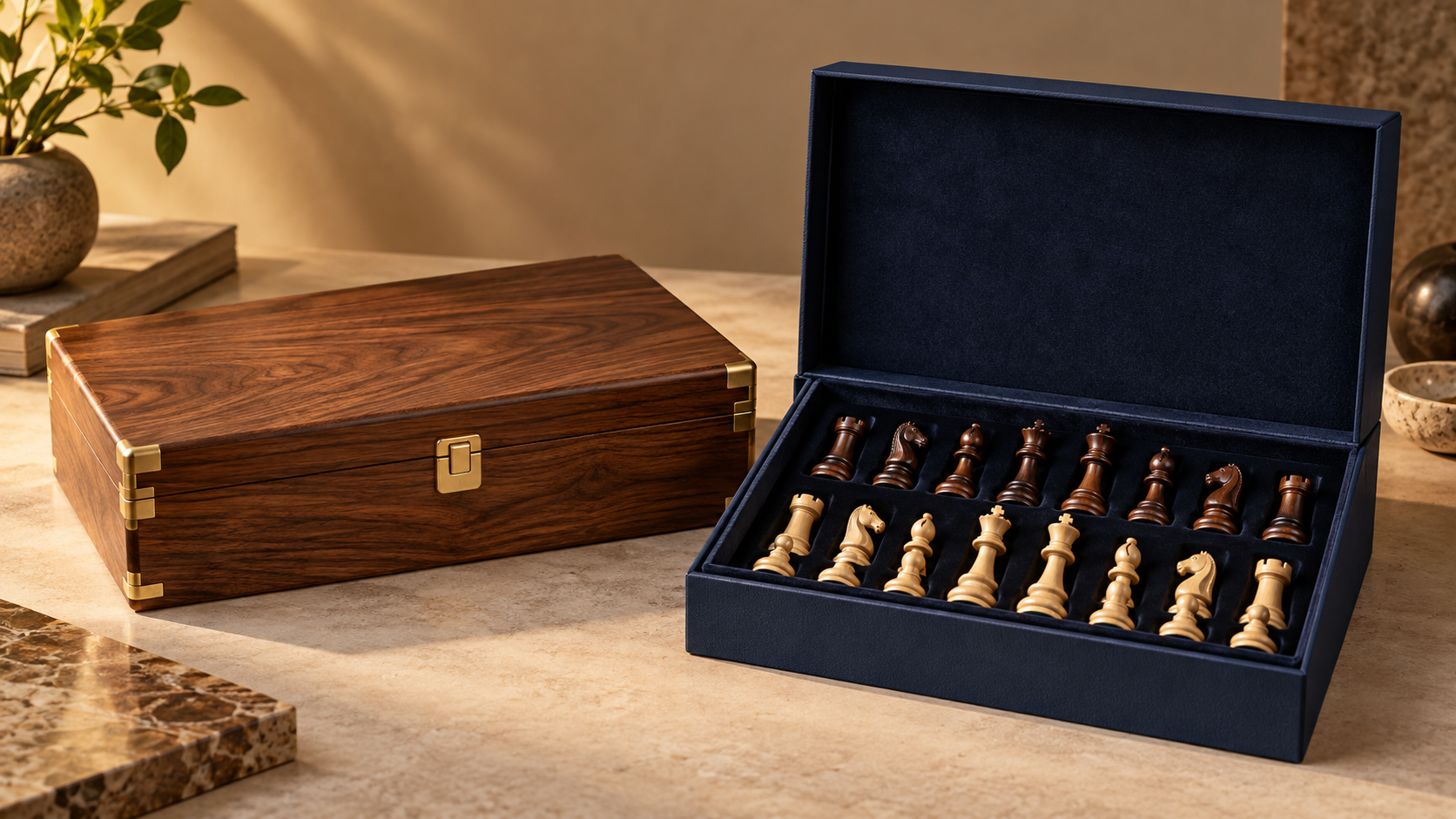
A rigid box and a wooden case can both support a premium custom game set, but they solve different product and logistics problems. The right choice depends on the set configuration, retail position, storage experience, shipment route, and the visual language of the brand.
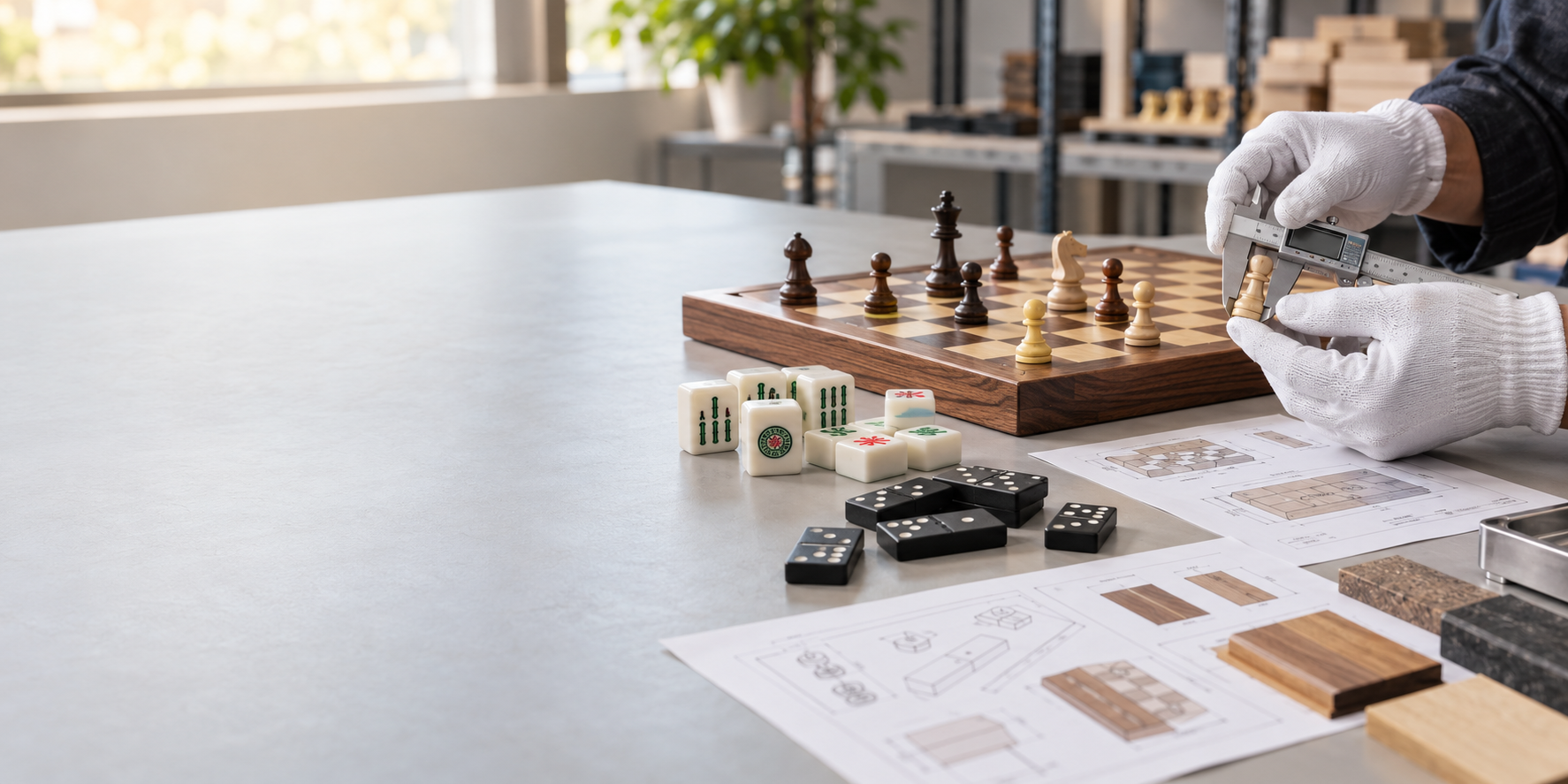
A useful custom game quotation does more than show a unit price. It documents what the factory believes it is making, how the set will be packed, and which decisions still need buyer approval. For private-label chess, mahjong, domino, and board game projects, comparing like for like is the first step toward a reliable production decision.
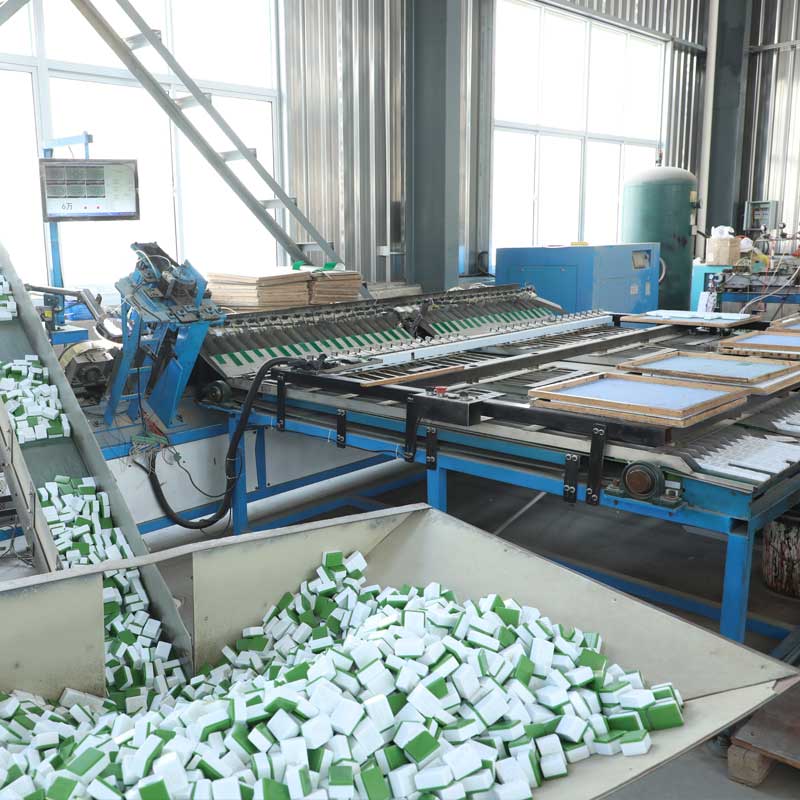
Good artwork is more than an attractive design. In custom game manufacturing, every tile face, card, board panel, box side, label, and insert must be traceable to an approved production file. A structured handoff reduces delays, makes quotation assumptions clearer, and helps the sample match the intended product.
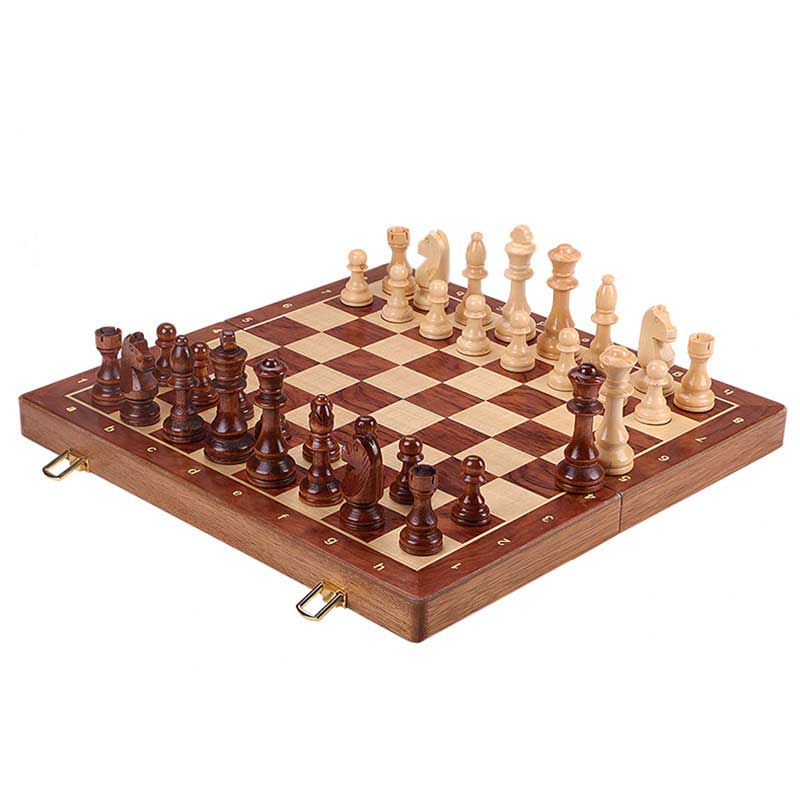
Packaging is not an afterthought for a custom chess set. It protects the board and pieces, influences perceived value, affects shipping efficiency, and determines how the customer stores the product after purchase. A good packaging brief begins with the complete set configuration, not with a box reference image.
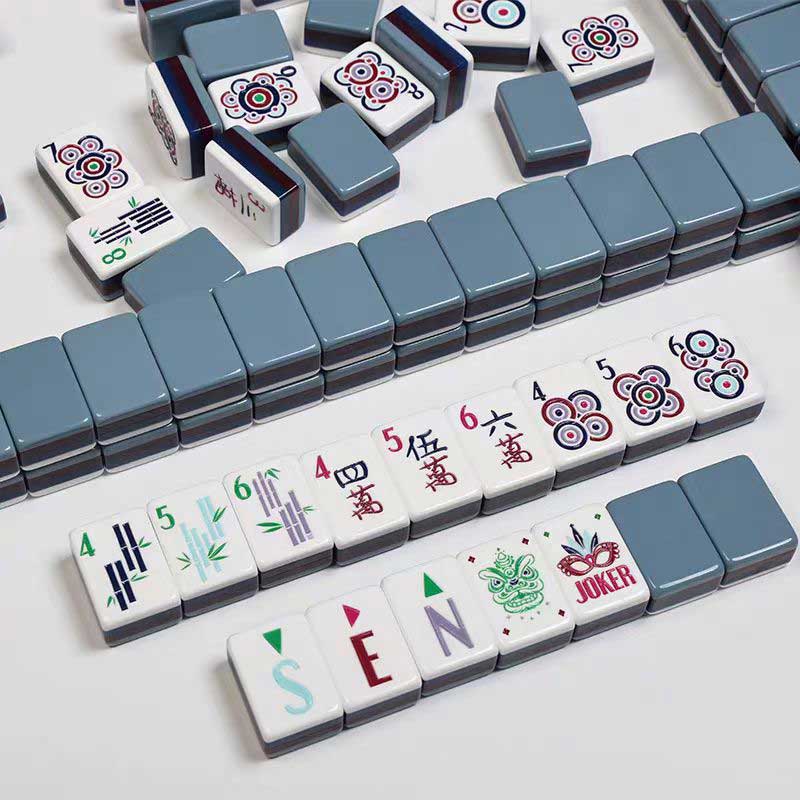
Material choice shapes how a custom mahjong set feels, photographs, packs, and performs in regular play. Buyers should select a tile material after defining the game format, visual direction, target retail position, and accessory system. The best option is the one that supports the complete set, not simply the one that looks best in a concept image.
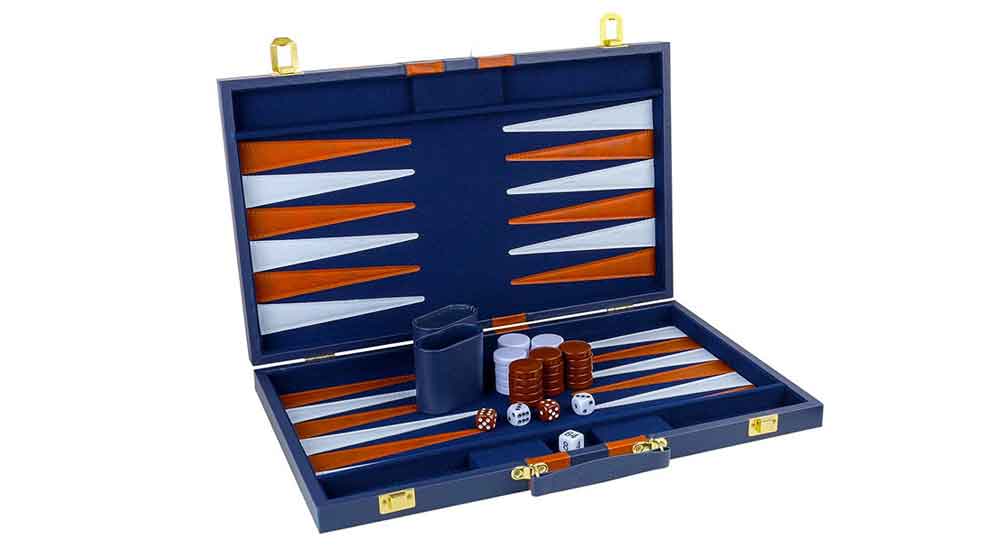
A minimum order quantity is not a fixed number that applies to every custom board game. It is the point where component purchasing, printing setup, assembly time, and export packing become practical for a specific product. For buyers, the useful question is not simply “What is your MOQ?” but “Which part of this specification sets the MOQ?”
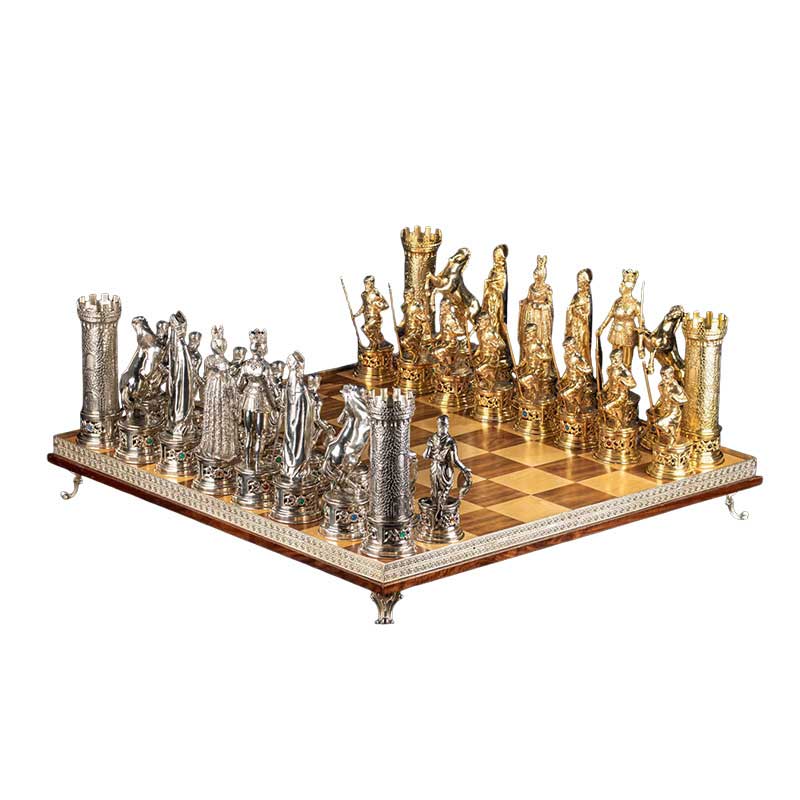
A custom chess set can be a tournament-oriented product, a gift item, a school program, a hotel amenity, a museum-store collection, or a private-label retail line. Those products may all be called “custom chess sets,” but they should not be quoted or developed in the same way.
The buyer needs to make a group of connected decisions: the piece style, board format, material combination, finish, branding method, storage, retail packaging, safety requirements, and shipment protection. When these decisions are postponed, the sample may look attractive but still fail to fit its box, meet its target cost, or survive distribution.
This guide is for brands, retailers, distributors, and promotional-product buyers who need to turn a chess-set concept into a clear manufacturing specification. It focuses on practical decisions, not decorative language.
Board game buyers often ask for a price before the product is fully described. That is understandable. A new game can still be in development, artwork can be incomplete, and the launch quantity may be uncertain. The problem is that a board game is not one component. It is a system of cards, boards, tokens, dice, trays, books, bags, labels, assembly steps, and packaging.
An accurate quotation starts with a bill of materials. The clearer the component list, the more useful the first quote will be. A supplier can quote from early sketches or a prototype, but the buyer should know which details are confirmed and which are assumptions. This article explains how to prepare a brief for a custom board game, chess game, domino set, backgammon set, or related tabletop product.
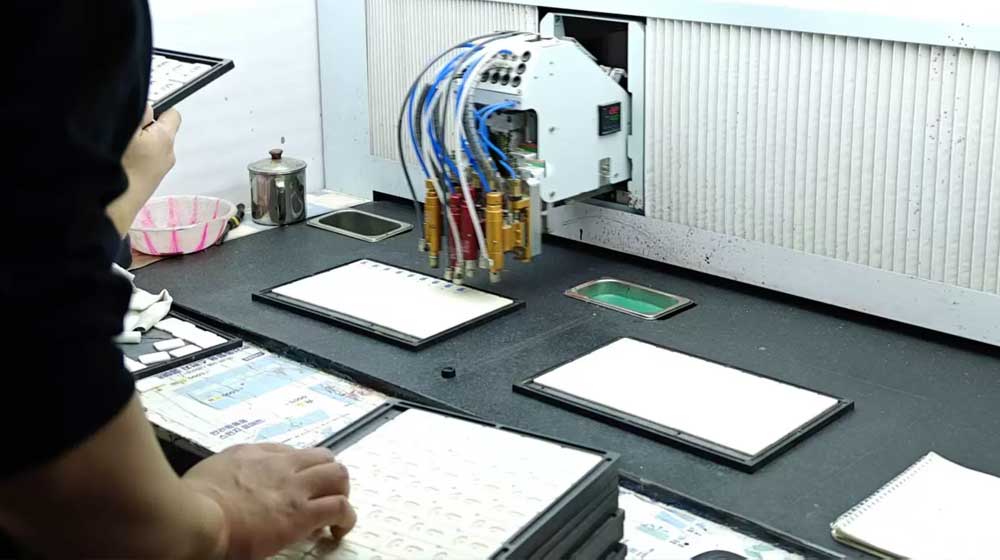
Choosing the right material is one of the most important decisions when producing a custom Mahjong set. Acrylic and melamine Mahjong tiles are two popular options, but they offer very different looks, textures, manufacturing characteristics, and market positioning.
For Mahjong brands, wholesalers, retailers, and game companies, understanding these differences can make it easier to select the right material for a specific product line.
In this guide, we compare acrylic Mahjong tiles vs melamine Mahjong tiles and explain which option may be more suitable for different custom Mahjong projects.
Acrylic and melamine are not simply two versions of the same material. Acrylic is a thermoplastic material known for its clarity, color possibilities, and premium appearance, while melamine Mahjong tiles are commonly manufactured from melamine resin, also known as melamine-formaldehyde resin.
For custom Mahjong manufacturing, the best choice depends on factors such as appearance, durability, production requirements, target market, customization method, and budget.
| Feature | Acrylic Mahjong Tiles | Melamine Mahjong Tiles |
|---|---|---|
| Material | Acrylic / PMMA | Melamine resin |
| Appearance | Clear, translucent, glossy, colorful | Solid, smooth, traditional |
| Surface Feel | Smooth and polished | Smooth and comfortable |
| Design Potential | High | High |
| Premium Appearance | Excellent | Classic |
| Durability | Good | Excellent for regular use |
| Typical Positioning | Premium / modern | Standard / mass market |
| Customization | Printing, engraving, colors | Printing, engraving, colors |
| Common Applications | Premium sets, gift sets, branded sets | Everyday sets, wholesale sets, Mahjong products |
Melamine Mahjong tiles are generally produced using melamine resin, a thermosetting plastic material widely used in molded products.
The material is known for its hardness, smooth surface, wear resistance, and good dimensional stability. These characteristics make it suitable for Mahjong tiles that are expected to withstand frequent handling and repeated gameplay.
Melamine Mahjong tiles are particularly associated with traditional Mahjong manufacturing and are commonly found in different Mahjong markets, including sets designed for regular play.
Durable Construction
Melamine resin produces a hard and durable tile that can withstand repeated use.
Smooth Surface
The finished tiles have a smooth tactile surface, making them comfortable to handle during gameplay.
Wear Resistance
The material is suitable for Mahjong sets that will be used frequently, such as club, household, and commercial sets.
Traditional Appearance
Melamine tiles generally have a solid and classic appearance, making them suitable for traditional Mahjong products.
Cost-Effective Manufacturing
Compared with some premium materials, melamine can provide an economical solution for larger-volume Mahjong production.
Acrylic Mahjong tiles are manufactured using PMMA (polymethyl methacrylate), a transparent thermoplastic material commonly known for its glass-like appearance and excellent optical clarity.
Acrylic can be produced in transparent, translucent, solid, or colored forms, giving manufacturers more flexibility when creating modern Mahjong products.
Because of its visual appeal, acrylic is often selected for premium Mahjong sets, branded products, gift collections, and modern Mahjong designs.
Crystal-Clear Appearance
Transparent and translucent acrylic can create a distinctive visual effect that is difficult to achieve with conventional solid tiles.
High Gloss Finish
Acrylic can provide a polished and modern appearance, helping premium Mahjong sets stand out.
Color Variety
Acrylic can be produced in many colors and visual effects, including transparent and semi-transparent finishes.
Flexible Shapes
The material can be processed into different shapes and sizes according to production requirements.
Premium Market Positioning
The distinctive appearance of acrylic makes it particularly suitable for high-end Mahjong sets and branded collections.
The biggest difference is often visual.
Melamine Mahjong tiles generally have a traditional solid appearance with a smooth, clean surface. They work well for classic Mahjong sets and products designed around practicality.
Acrylic Mahjong tiles can have transparent, translucent, or glossy finishes. This makes them particularly attractive for contemporary Mahjong sets where visual presentation is an important part of the product.
If your target product is a premium or modern custom Mahjong set, acrylic may offer more visual possibilities.
Melamine and acrylic require different manufacturing approaches.
Melamine Mahjong tiles are commonly produced through molding processes using melamine resin. The material forms a hard, durable structure after molding.
Acrylic is a thermoplastic material and can be processed through different manufacturing techniques depending on the required product structure, shape, and finish.
For manufacturers, the choice between the two materials should therefore be considered together with the tile dimensions, production volume, surface treatment, and customization requirements.
Both materials can be suitable for Mahjong products, but their performance characteristics are different.
Melamine is particularly well suited to products that require a hard surface and regular handling. This makes it a practical choice for wholesale Mahjong sets and frequently used game sets.
Acrylic provides good durability while offering a more visually distinctive surface. However, the final performance depends on the acrylic grade, tile construction, manufacturing process, and surface treatment.
For products intended for frequent commercial use, material selection should be evaluated based on the specific application rather than appearance alone.
Both acrylic and melamine Mahjong tiles can support customization.
Depending on the production requirements, customization can include:
Acrylic can be particularly attractive when the product requires transparent or translucent visual effects, while melamine is well suited to more traditional solid-color Mahjong tiles.
There is no single material that is best for every Mahjong product.
For many brands, the decision ultimately comes down to target market + product positioning + budget + desired appearance.
As a custom Mahjong manufacturer, we provide production solutions for businesses developing Mahjong sets for international markets.
Our manufacturing capabilities cover different Mahjong products, including custom Mahjong tiles, complete Mahjong sets, Mahjong mats, racks, bags, and other accessories.
For custom Mahjong tiles, we can work with different material requirements and production specifications, including:
We focus on turning confirmed product specifications into consistent manufactured products, with production and quality control suited to wholesale and international orders.
Before placing a custom Mahjong manufacturing order, consider these five factors:
Determine whether your customers prefer traditional Mahjong products or modern premium sets.
Standard, promotional, premium, and gift products may require different material choices.
Material selection can affect production cost and suitability for different order volumes.
Consider whether you need a traditional solid finish or a modern transparent and colorful appearance.
Discuss the required printing, engraving, colors, dimensions, and packaging before production begins.
Not necessarily. Acrylic and melamine have different characteristics. Acrylic is often chosen for its modern and premium appearance, while melamine is valued for durability, practicality, and traditional styling.
Yes. Melamine resin is a hard material with good wear resistance, making it suitable for Mahjong tiles designed for repeated use.
Acrylic Mahjong tiles can have a higher material and manufacturing cost depending on the acrylic type, construction, finish, and customization requirements.
Yes. Depending on the manufacturing process, both acrylic and melamine Mahjong tiles can be customized with colors, printing, engraving, sizes, and packaging.
Melamine is often a practical choice for wholesale Mahjong sets where durability, traditional appearance, and production cost are important. However, acrylic may be more suitable for premium or differentiated product lines.
When comparing acrylic vs melamine Mahjong tiles, the right choice depends on what you want your finished product to achieve.
Melamine is a practical option for durable, traditional, and cost-effective Mahjong products, while acrylic offers greater visual impact for modern and premium Mahjong collections.
For brands and wholesalers, choosing the material should be based on the complete product strategy rather than material price alone. Tile appearance, intended use, customization requirements, production volume, packaging, and target market should all be considered before mass production.
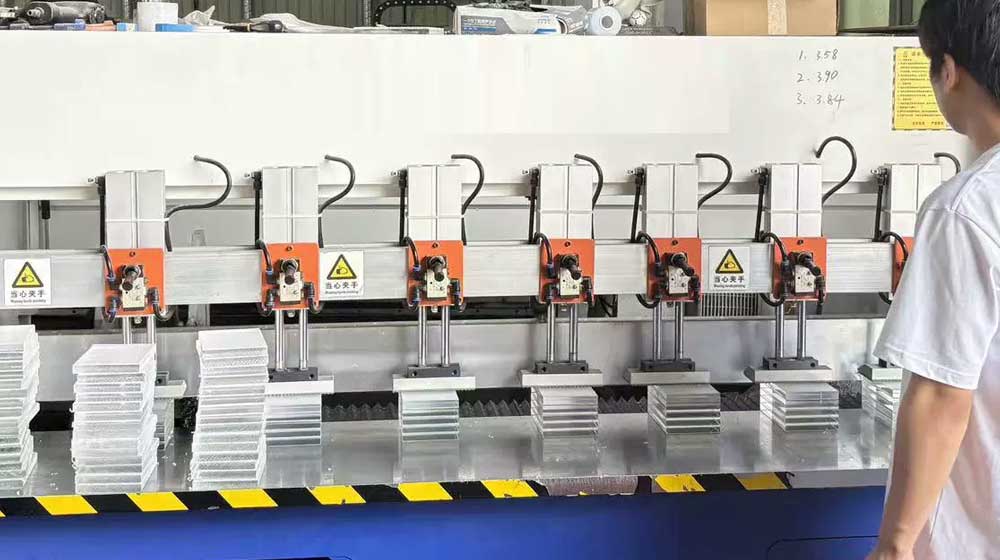
A successful custom mahjong project starts with a professionally developed sample. Before mass production, our sampling process helps verify design details, material selection, colors, craftsmanship, and overall product appearance.
Through careful sample development and testing, we help customers reduce production risks and ensure the final mahjong products meet their quality expectations.
Custom acrylic mahjong tiles combine premium appearance, durability, and personalized design possibilities. With their transparent or high-gloss finish, acrylic tiles are becoming a popular choice for luxury mahjong brands, collectors, gift markets, and customized board game projects.
As a professional mahjong manufacturer, we provide complete customization services from design development, material selection, sample production, mass manufacturing, quality inspection, and packaging.
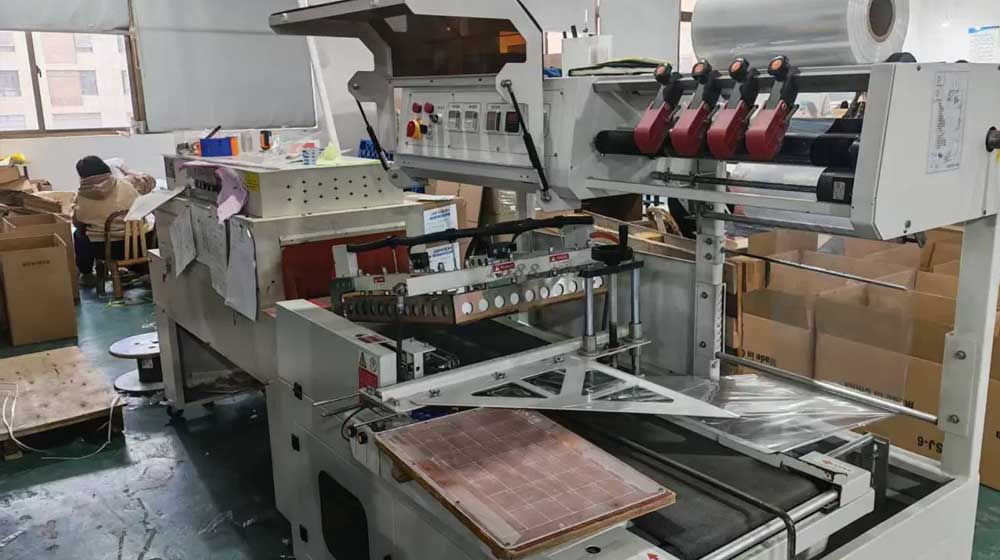
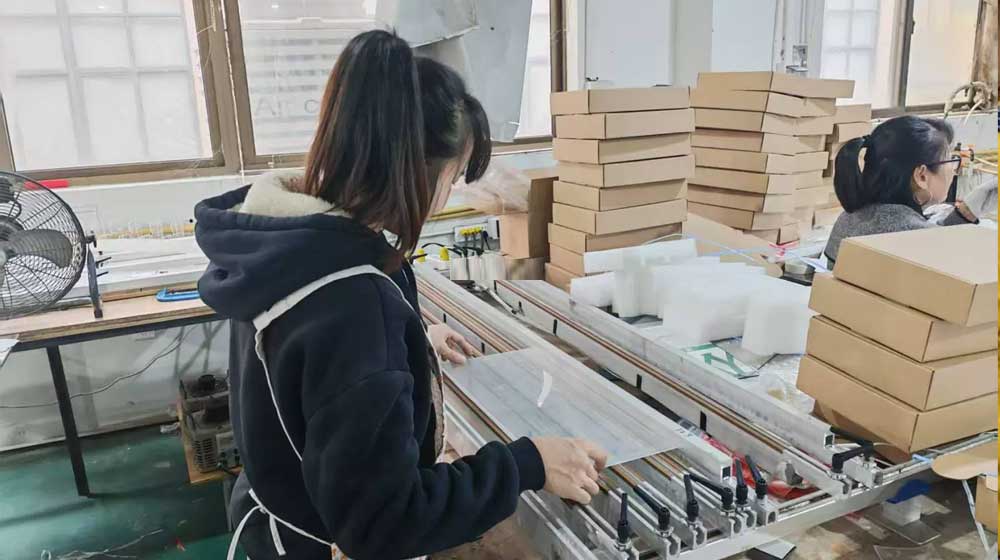
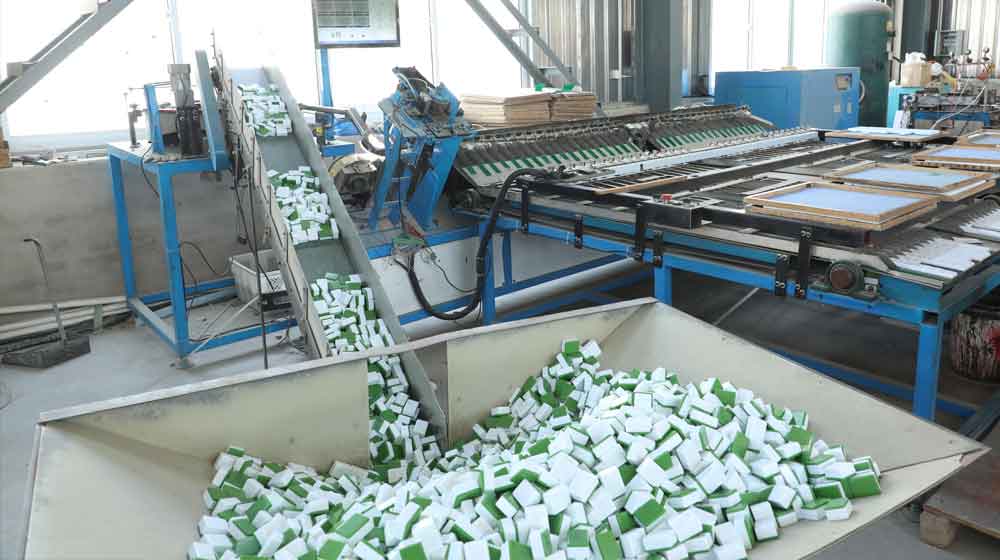
Mahjong is a timeless traditional entertainment loved by people all over the world. As global demand for customized mahjong sets, mahjong mats and supporting tabletop accessories surges, China’s mahjong manufacturing industry has formed an industrial cluster with obvious regional characteristics. While market demand expands rapidly, uneven production standards and product quality across factories have become prominent pain points for cross-border merchants, e-commerce sellers and mahjong enthusiasts. Today we analyze the overall status of the domestic mahjong manufacturing sector, and interpret the core strengths of HYgames, a professional custom mahjong factory based in Guangdong.
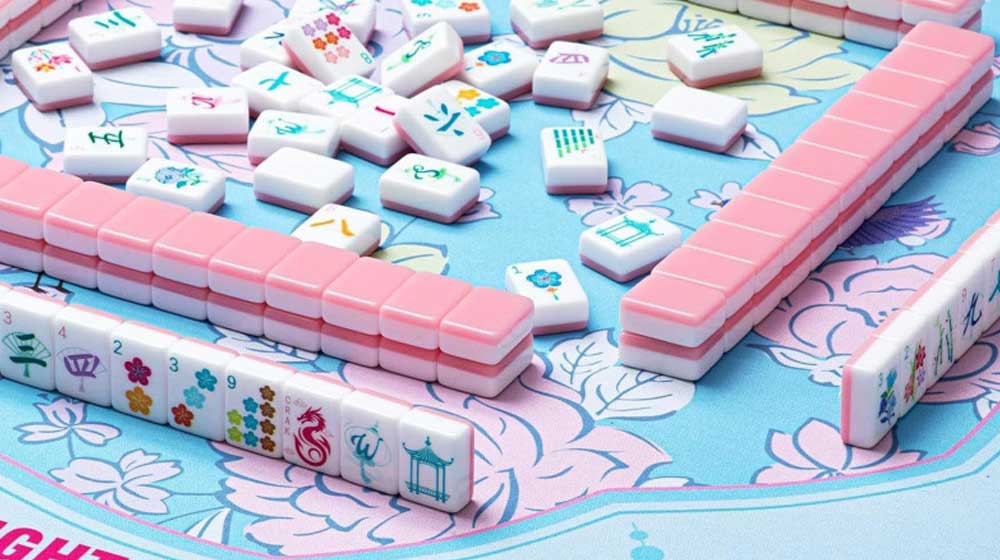
Finding a Mahjong mat that perfectly fits your table can be frustrating—especially for clubs, events, or brands with specific requirements.
As a custom Mahjong set manufacturer, we often receive questions like:
This guide explains all available options, from DIY cutting to factory-level customization, so you can choose the most efficient and professional solution.
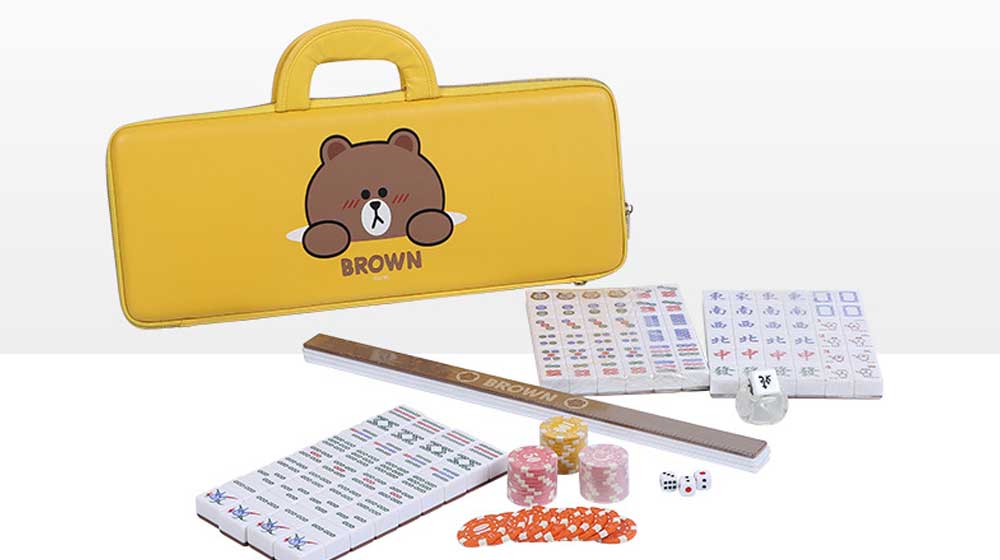
Custom American mahjong tile sets are becoming increasingly popular among game brands, retailers, and event organizers. Whether you’re building a private label product or designing a unique gift, creating a custom American mahjong set allows full control over style, quality, and branding.
In this guide, we’ll walk you through everything you need to know about creating custom mahjong tiles for American mahjong, from concept to production.
Contact Us
Tell us your vision — we’ll help bring it to life.From design and sampling to production and delivery, our team is ready to support your project every step of the way.Get in touch today to receive a fast quote and expert guidance.
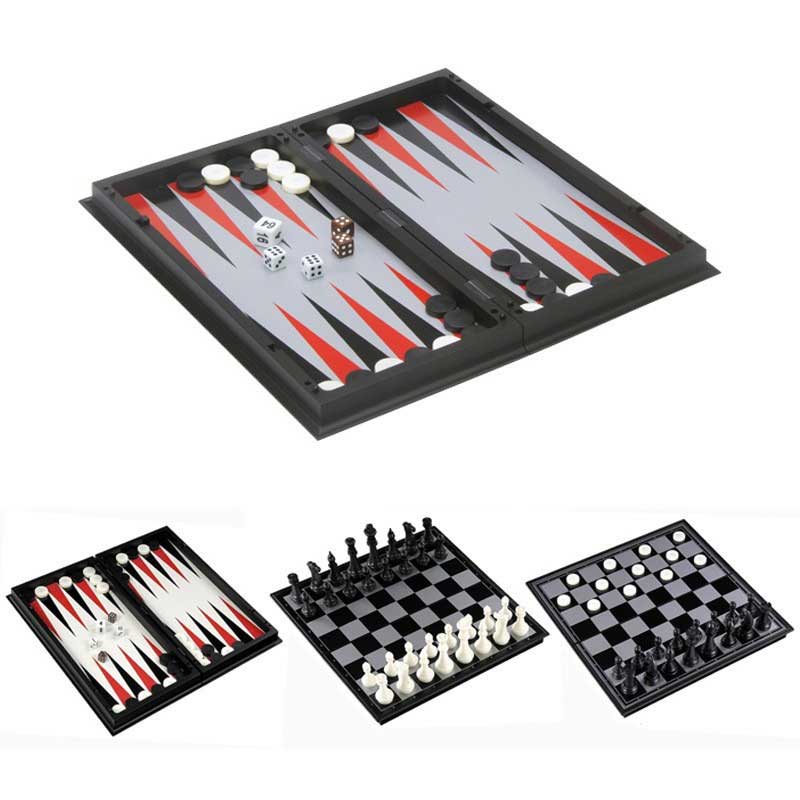
You can get a price of this model or send us any question to get any information you would like to know, we will reply to you soonest.