
A component list is the production version of the game design. It tells the factory what must be made, purchased, printed, counted, protected, and assembled into one finished unit. Without it, a quote is necessarily broad. A broad quote may be fine for a first budget discussion, but it should not be treated as a final production commitment.
For each component, specify its quantity per set, material, dimensions, printing or finish, artwork status, and any special assembly requirement. The list should include obvious parts and easy-to-miss items such as separators, score pads, stickers, reference cards, plastic bags, shrink wrap, rulebook inserts, and outer-carton labels.
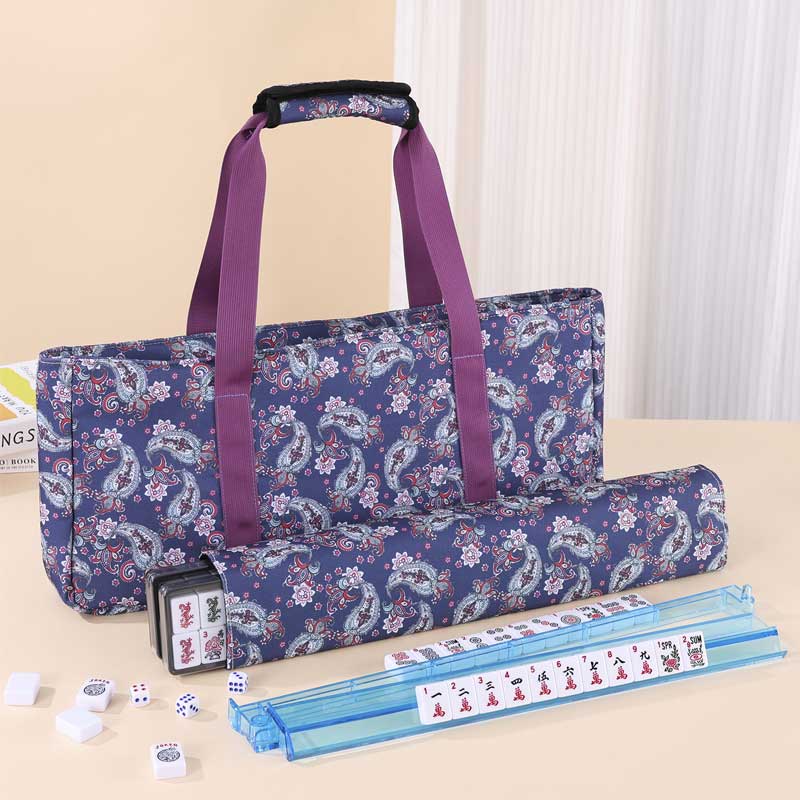
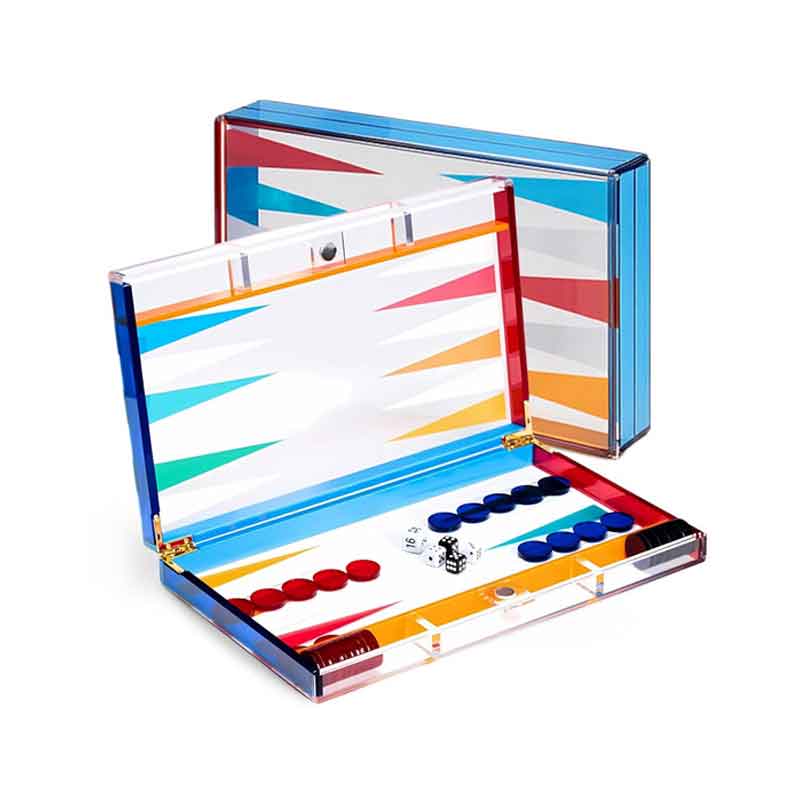
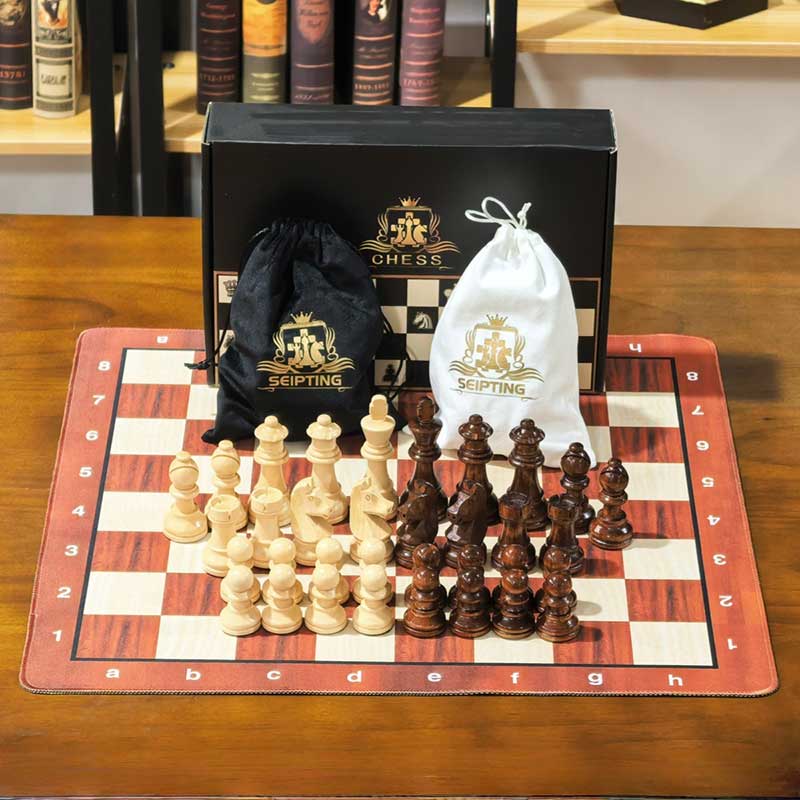
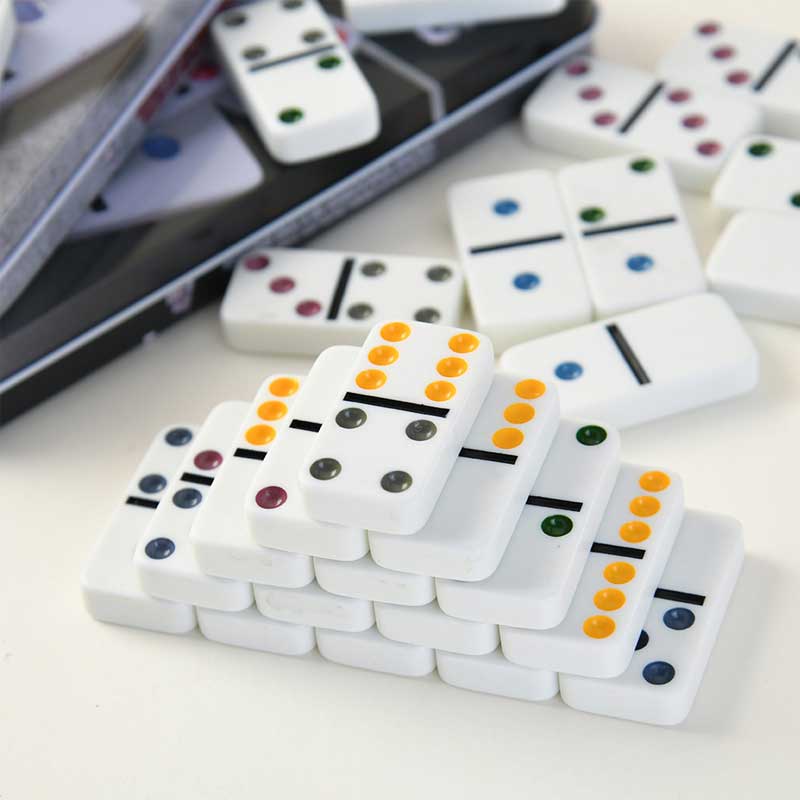
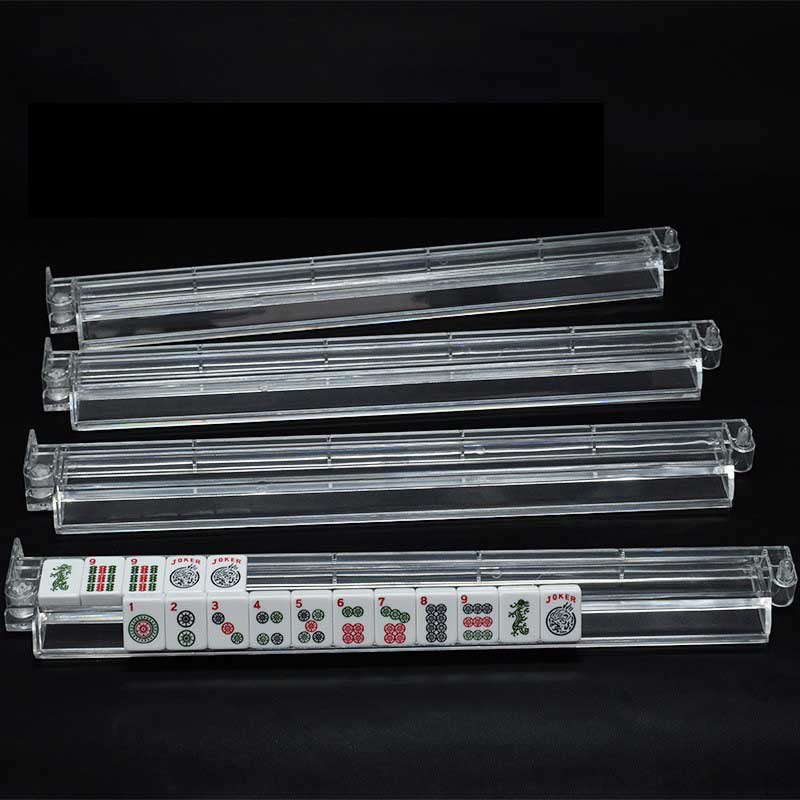
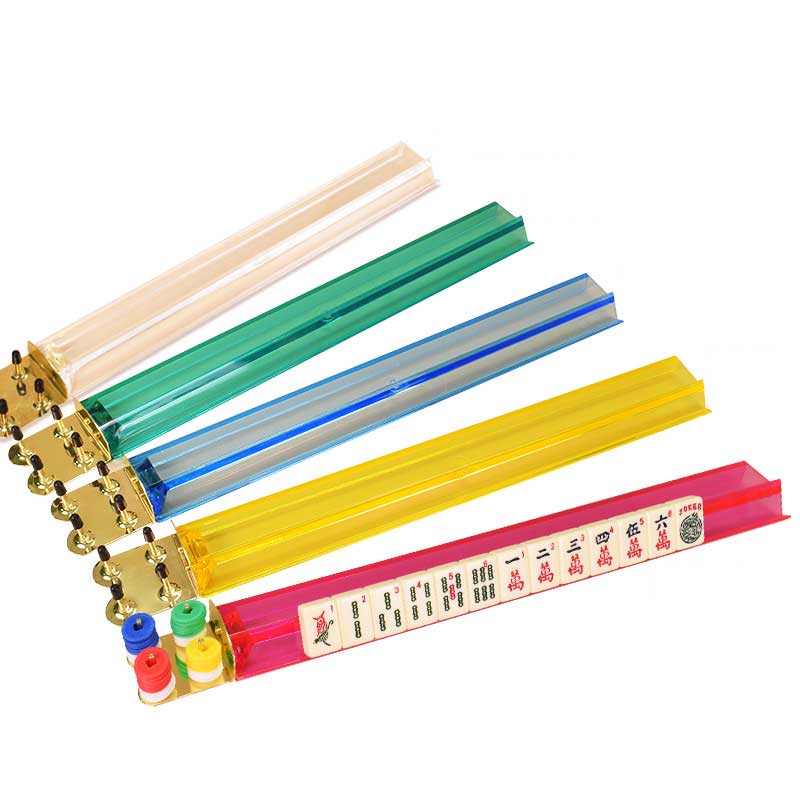
For a custom chess, mahjong, domino, or backgammon product, treat the set configuration as the component list. A missing rack, extra dice, bag, score sheet, or replacement piece can affect both the quote and the assembly process.
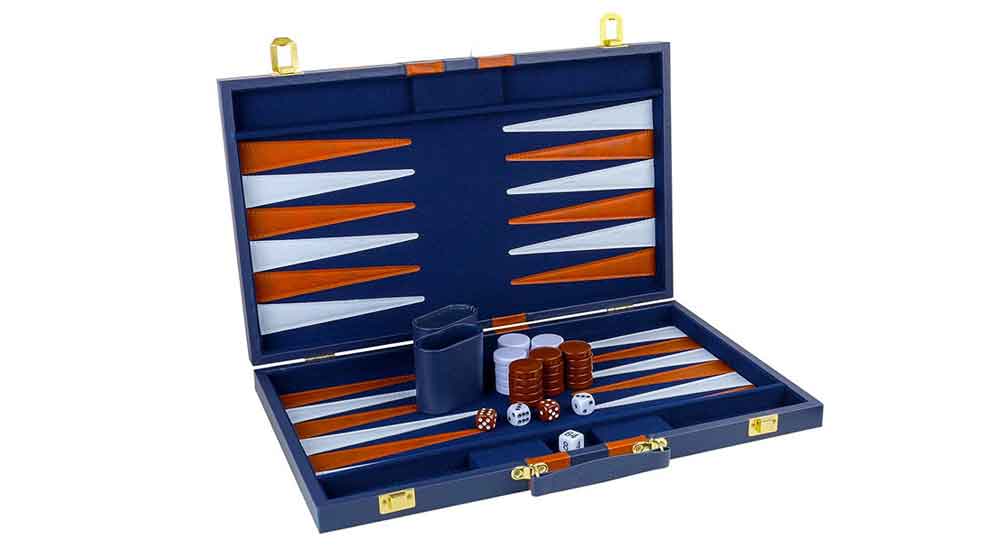
Early-stage projects do not need to wait for perfectly finished files. They need an honest brief. Mark each item as confirmed, preliminary, or undecided. This prevents an estimate from being mistaken for a final price.
For example, a buyer can say:
This is more useful than sending a single product image with a request for “best price.” It helps the supplier explain which changes are likely to affect cost, lead time, and MOQ.
Some changes are mainly visual. Others affect tooling, sourcing, or assembly. New plastic molds, metal parts, unusual shapes, special finishes, extra color versions, multi-language inserts, and custom trays can have a larger production impact. Ask the supplier to identify the cost and schedule drivers early so the project team can decide where differentiation is most valuable.
Mid-article CTA: Send Your Component List Send a spreadsheet, prototype photos, sketches, or draft files. Request an estimate that clearly states the assumptions, inclusions, and open items.
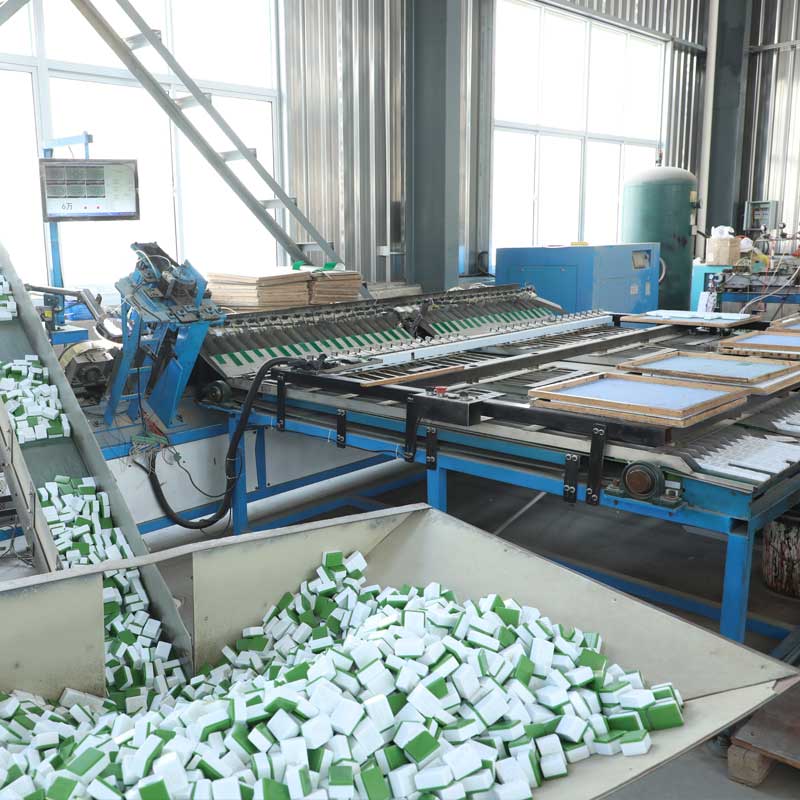
Artwork should be delivered in a structure that matches the quotation and component list. Use a separate folder for each production item, such as `01_Game_Box`, `02_Board`, `03_Cards`, `04_Tokens`, `05_Rulebook`, and `06_Carton_Marks`. Within each folder, use clear version names and include any required font, color, or finishing notes.
This is not administrative detail for its own sake. It reduces the risk that the wrong file reaches print, a back-side design is missed, or an old artwork revision is used during pre-production.
A digital file may look complete while leaving unanswered questions about thickness, fold direction, score lines, tray clearance, or component fit. For every major item, provide finished dimensions and identify critical interfaces. The board must fit the box. The insert must accept the real component stack. A rulebook must fit the available space after cards and trays are packed.
Before mass production, a factory typically creates or reviews a pre-production sample. This is where the entire system should be assembled in the intended order. It is the best time to identify an insert that is too shallow, a board that rubs against components, or a rulebook that needs a different fold or page count.
The sample stage should answer practical questions: Is the board flat? Are the cards cut accurately? Do components fit their compartments? Are colors and finishes acceptable? Can the game be packed consistently? Does the finished unit meet the visual and functional standard expected by the buyer?
Keep a written approval record that refers to the product version, component list, artwork version, changes requested, and final sign-off. If a change is made after sample approval, record it separately. That prevents small late changes from being lost between design, purchasing, and assembly.
Component inspection alone is not enough. The final shipment inspection should include a complete assembled set. Verify component count, print quality, board function, packaging condition, barcode or label accuracy, and carton count. If the product contains a heavy item next to cards or a glossy surface, inspect whether the internal protection prevents rubbing or impact during transport.
For export shipments, confirm the intended shipping assumption. “Factory price” and delivered cost are different calculations. The buyer should understand the shipping term, destination, product classification responsibility, and whether any retail or regulatory labeling is required for the target market.
This usually happens because the first quote was based on incomplete dimensions, a missing component, a different box style, or a new custom part. The fix is not to avoid preliminary quotes. The fix is to identify assumptions clearly and update the quote after the specification is locked.
Physical dimensions, thicknesses, protective materials, and assembly sequence can create a different result from a digital mockup. Request an assembled sample or pack-out review before production release.
Use controlled folder names, version numbers, and one approval contact. Avoid sending final files through several chat threads without a master file list.
Ask whether any component requires new tooling, special sourcing, custom color matching, or a separate production minimum. A small unique part can drive the schedule more than the printed board or cards.
The target quantity should be part of the first quote request, even if it is an estimate. Quantity affects purchasing, press setup, tooling allocation, labor efficiency, carton count, and storage. If demand is uncertain, ask for several quantity breaks based on the same specification. This is more useful than comparing unrelated quotes because it shows how the unit cost changes while the product remains constant.
Provide a target launch date and explain whether it is a hard retail date, an event date, or an estimate. The factory needs time for artwork review, pre-production preparation, sampling where required, material sourcing, production, assembly, inspection, and shipment. A responsible plan also leaves time for correction if a sample or inspection reveals a problem.
Logistics should be discussed early, not only after the products are finished. Confirm destination country, shipping term, delivery address type, carton limits if a retailer has them, and any labeling or documentation expectations. The finished product dimensions and carton weight may affect the appropriate transport plan. The purpose is not to predict every cost at the first conversation. It is to make the quotation assumptions visible.
Large custom projects can involve a brand manager, game designer, purchasing team, packaging designer, supplier, and freight partner. A single component list and approval log keeps these parties aligned. Record the current specification, latest artwork link, sample decision, open issues, responsible person, and deadline.
This document is especially valuable when the game has several components or language versions. It reduces the chance that a revised rulebook is approved in one email while an older version remains in the production folder. It also creates a practical handover document for repeat orders, new team members, and shipment inspection.
Yes. Provide a component list, dimensions where known, prototype photographs or sketches, target quantity, delivery market, and target date. Ask the supplier to identify the assumptions used for the estimate.
It is a complete list of everything included in one finished game, with quantities and specifications. It is the foundation for an accurate manufacturing quote and assembly plan.
Approve the component list, production artwork, material and finish choices, packaging layout, representative sample, and any open changes that affect the final product.
The destination affects shipping options, carton planning, labeling considerations, and the lead-time discussion. It helps a supplier give a more useful export packing recommendation.
The best quote request is not the longest email. It is the clearest product brief. List every component, distinguish confirmed details from open ones, organize artwork by part, and treat the sample as a final system check. This gives a factory the information needed to quote accurately and gives the buyer a stronger basis for comparing suppliers.
Final CTA: Request a Custom Game Manufacturing Quote Send your component list, reference files, expected quantity, destination, and target launch date. Ask for a quotation with clear material, packaging, sampling, and export assumptions.