

The first decision is the product role. A large decorative set and a portable travel set have different design priorities. A school or club program normally prioritizes durability, replaceable pieces, easy storage, and repeatable quality. A premium gift line may prioritize material, finish, presentation, and brand detail.
Write down the intended use case before selecting materials:
This helps a manufacturer recommend a suitable board construction, piece weight, storage method, and packaging level. It also gives the marketing team a clear product story after production.
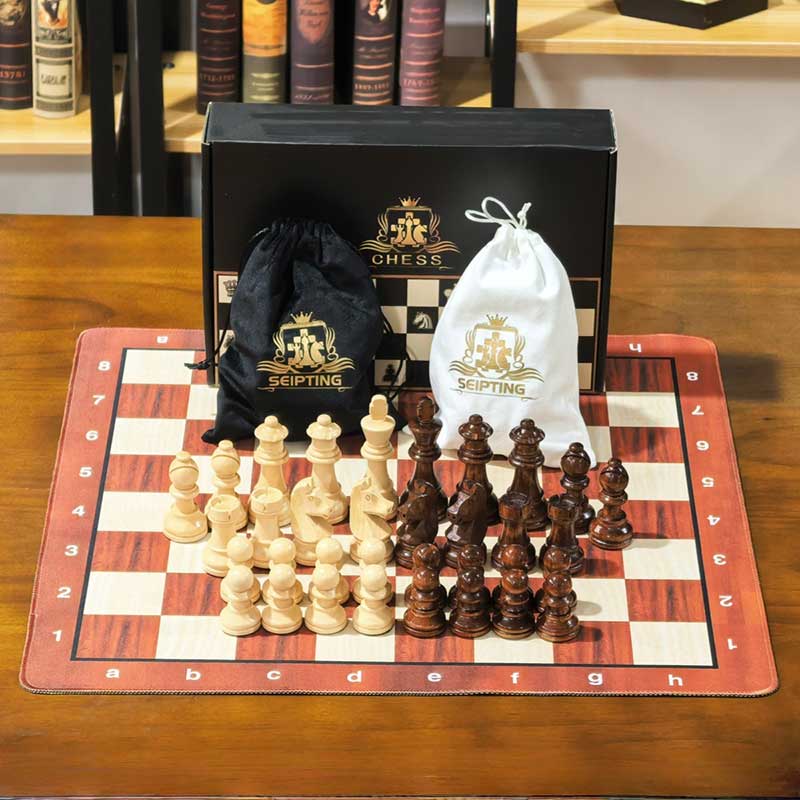
A brief should state whether the board is solid, foldable, magnetic, roll-up, or stored inside a case. It should state the desired square size, approximate king height, piece style, and whether pieces are weighted. For a foldable board, confirm how the hinge, closure, interior storage, and board surface work together.
Avoid approving only a front-view rendering. Request dimensions for the complete packed set. The most common fit questions appear after the pieces, board, inner tray, and outer packaging are brought together.
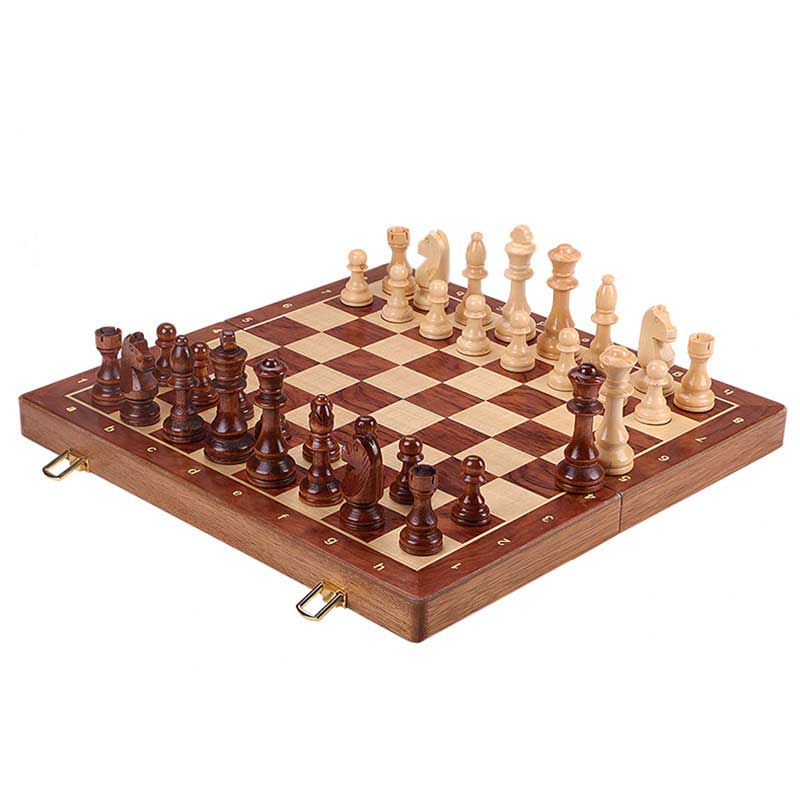
Wood can suit premium, classic, and gift-focused chess programs. The material selection should be specific enough to avoid vague expectations. Confirm the intended wood species or appearance, whether the piece is solid wood or composite construction, the finishing system, veneer or inlay details, and moisture-control expectations.
Natural material variation is normal. The buyer and supplier should agree on the acceptable level of grain, color variation, and minor tonal difference before mass production. A reference sample is especially important when the collection is sold as a premium natural-material product.
Plastic and ABS can fit high-volume, school, club, or value-oriented lines. Resin can support sculpted themes and detailed visual forms. Acrylic can create transparent, layered, or color-forward products. Metal components can increase weight and presentation but require extra attention to plating, scratch protection, and packaging separation.
There is no need to claim that one material is inherently superior. Select it because it supports the target user, price position, design language, and expected distribution channel.
The piece material affects the board surface, insert design, and case protection. A heavy metal piece can damage a printed board if it is allowed to move during transit. A high-gloss acrylic piece may need protective separation to avoid surface rubbing. A wooden piece can need a stable compartment to prevent finish contact.
During installation preparation for a retail set, lay out every component in the intended order. Confirm that pieces fit their designated compartments, the board closes correctly, the rule insert does not bend, and the final package is practical for the retail shelf.
Mid-article CTA: Ask for a Chess Set Specification Review Send your intended use case, reference design, target quantity, board format, and delivery market. Receive feedback on materials, packaging, sample development, and production feasibility.
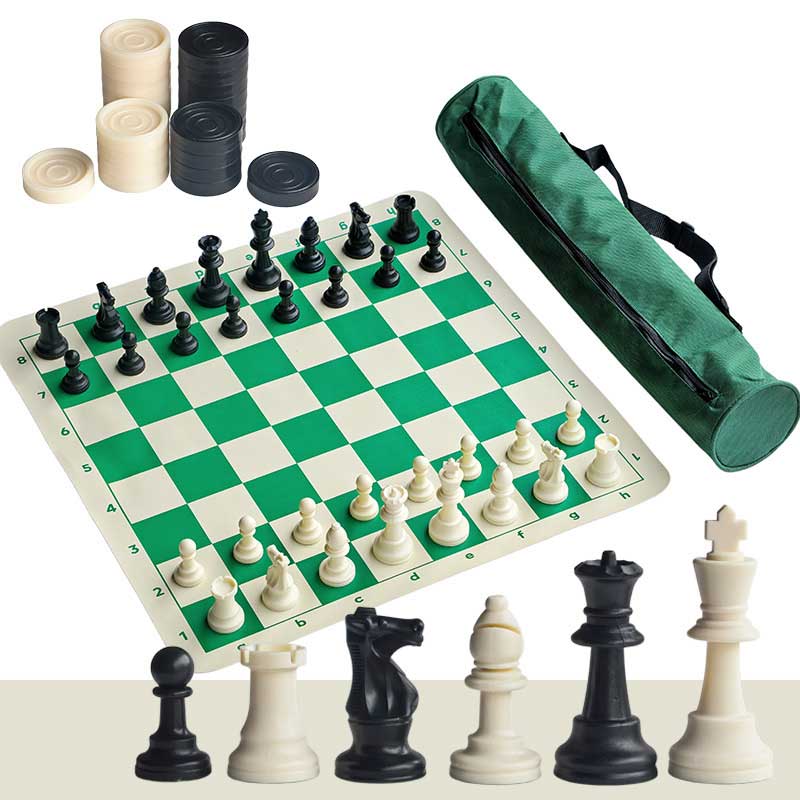
For the pieces, define the style, dimensions, color treatment, base material, weighting requirement, bottom pad or felt, and branding location. If the pieces need a logo, specify whether it is engraved, printed, embossed, or applied to a plaque or packaging instead.
If you are adapting a classic style such as Staunton, clarify whether the project requires a standard silhouette or a distinctive branded interpretation. Small changes in a knight, bishop, or king profile can affect mold work, machining time, and visual balance.
For the board, define the square size, surface construction, border treatment, fold line or hinge position, back panel, closure, and any coordinate markings. If a printed board is used, provide artwork at the required scale and confirm bleed, safe area, and color expectations. If the board is inlaid, veneered, or engraved, approve the visual sample in the intended finish.
The packaging brief should include the box type, dimensions, finish, insert material, logo method, barcodes, country-of-origin marking, warning labels where relevant, and master-carton requirements. Requirements differ by market and product category, so buyers should confirm applicable testing, labeling, and retailer standards early instead of assuming a generic certification applies to every project.
A meaningful chess-set sample should represent the key manufacturing decisions. Review the overall proportions first, then the functional details:
For a retail program, evaluate the set as a customer will receive it. Open it, remove the pieces, place them on the board, pack them again, and inspect the presentation after that handling sequence.
Once a sample is approved, keep the approved version, photographs, artwork files, component list, and signed correction notes together. This forms the baseline for production checks. It also makes change control easier. If a material, finish, component, or packaging source changes, the supplier should identify it for review before final assembly.
Final inspection should include the product and the pack-out. Inspect selected units for defects, missing pieces, damage, board function, finish consistency, and packaging condition. Check carton labels and count. For export projects, confirm that the internal protection is appropriate for the route and stacking conditions, especially for heavy pieces, glossy surfaces, or breakable decorative elements.
The lowest quote can be useful, but it is not enough information for a custom chess project. Compare whether each supplier has quoted the same board construction, piece material, weight, finishing method, tray, packaging, inspection scope, and shipping assumption. A lower unit price can hide a different product configuration or an omitted protective component.
Ask practical questions about development. Who reviews artwork before sampling? How are piece dimensions confirmed? Can the supplier explain the effect of a requested finish on the board, pieces, and packing process? What is checked before shipment? A supplier does not need to promise that every natural material will be identical. A credible supplier explains normal variation, acceptance standards, and the checkpoints used to manage it.
If the product is planned as a continuing collection, discuss repeat-order control. Keep a record of approved material references, finish samples, packaging files, and component sources. This makes it easier to evaluate changes when a material or accessory is unavailable on a future production run.
For branded chess products, the first customer interaction is often the unboxing. The board should open cleanly, the pieces should be protected and easy to return to storage, and the packaging should communicate the product without making unsupported claims. Test this sequence during sample approval with the actual rule insert, protective components, labels, and finished box.
Consider the full route from factory to user. A premium box may need corner protection in the master carton. A magnetic board needs closure testing after transport. A glossy acrylic or plated-metal product may require individual sleeves or separators. These details rarely create a strong marketing headline, but they often decide whether the customer receives the product in the condition the brand intended.
Provide the product use case, board type, approximate piece and square dimensions, preferred materials, desired packaging, quantity, artwork status, delivery market, and target date. Reference images are useful when labelled as inspiration rather than final production artwork.
Often, yes. A private-label approach can reduce development work when the available materials, format, and quality level match your product strategy. Confirm logo location, packaging options, quantity, and whether the resulting product remains distinct enough for your market.
Packaging affects the fit, protection, retail presentation, and shipping cost of the complete set. It should be developed alongside the pieces and board, not after they are finalized.
Use a written specification, approve a representative sample, document accepted finish standards, and inspect finished sets against the approved sample and pack-out requirements before shipment.
The strongest custom chess programs begin with a clear use case and a complete product system. Select materials for the intended customer and channel, define pieces and board together, create packaging around the final pack-out, and use sampling and documented inspection to manage quality.
Final CTA: Get a Custom Chess Set Quote Send your reference design, board format, target quantity, packaging idea, and destination market. Request a practical review of materials, prototype scope, and production requirements.