
Before we explore the factory floor, it is important to understand why PMMA (polymethyl methacrylate)—commonly known as acrylic—is the industry standard.
Unmatched Durability: Unlike bone, which can crack, or wood, which can warp, acrylic is impact-resistant and moisture-proof.
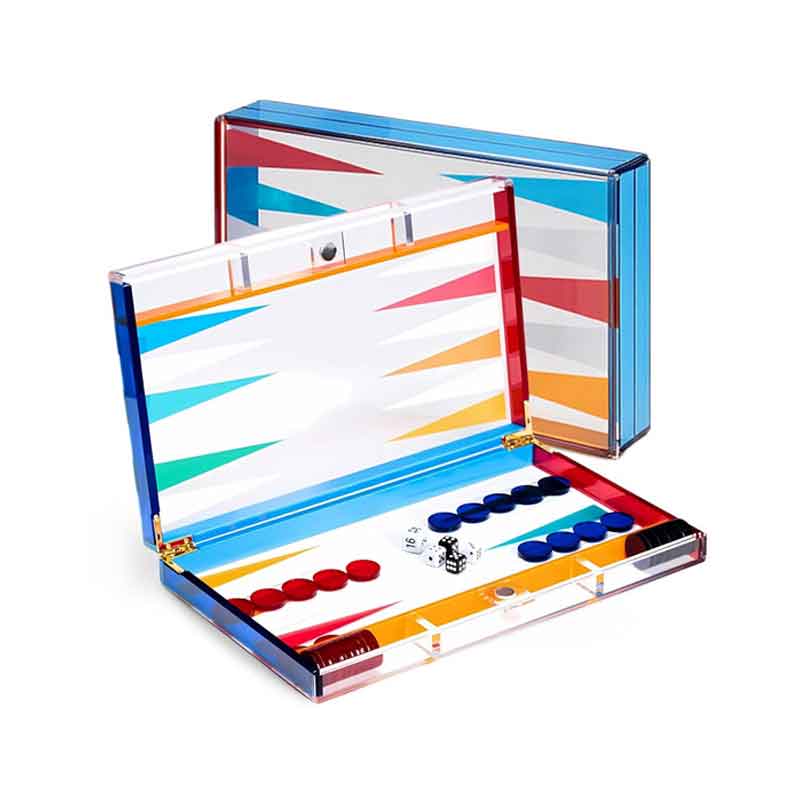
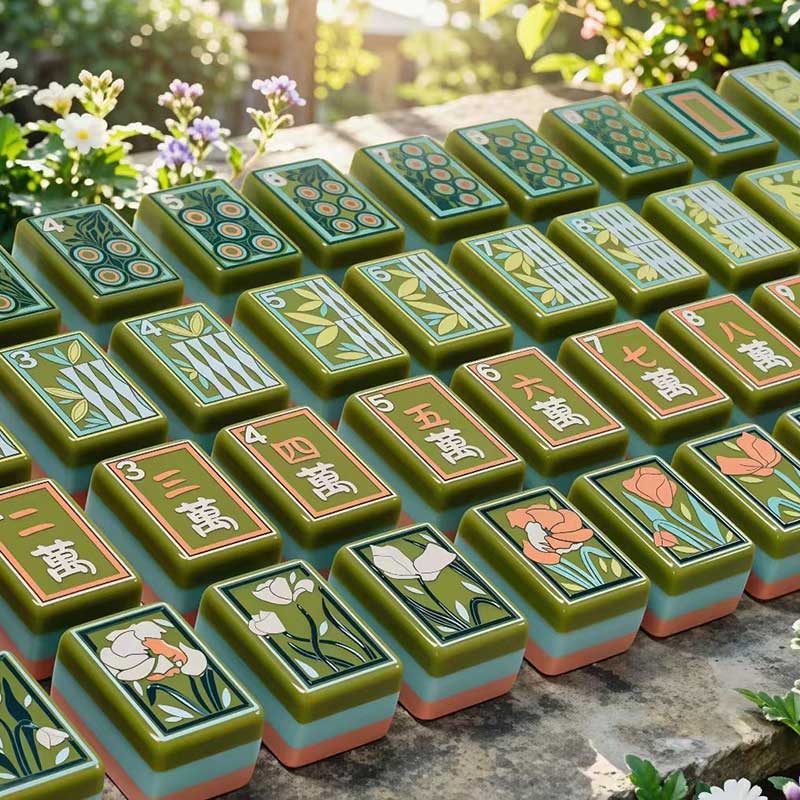
Aesthetic Versatility: Acrylic can be crystal clear, opaque, or infused with glitter, neon pigments, and even “glow-in-the-dark” elements.
Premium Tactile Feel: High-quality acrylic has a satisfying “heft” and a smooth surface that glides across the table, mimicking the luxury of vintage sets without the ethical concerns of animal products.
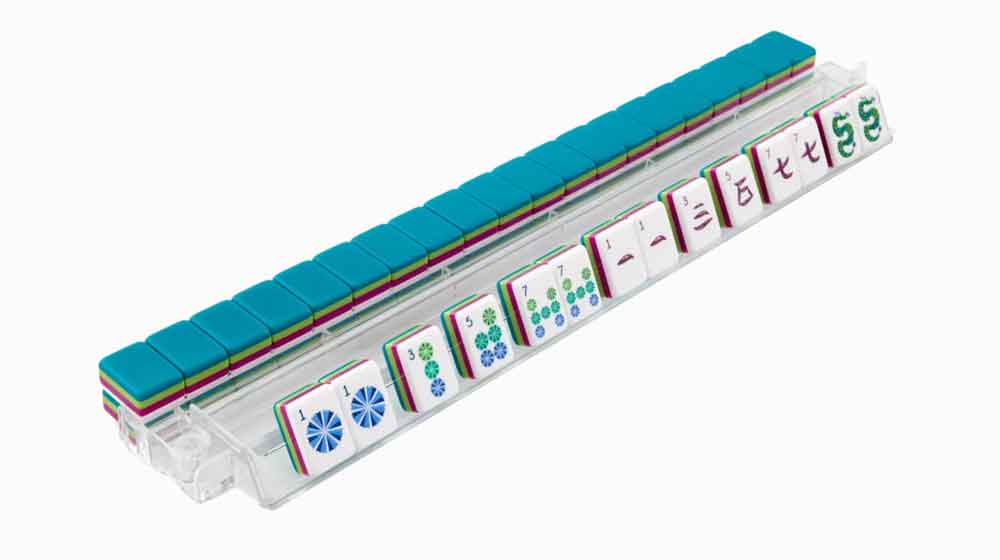
The process begins with your vision. Whether it is a corporate logo, a family crest, or a specialized color palette (like “Millennial Pink” or “Deep Emerald”), designers use CAD (Computer-Aided Design) software to create a digital blueprint.
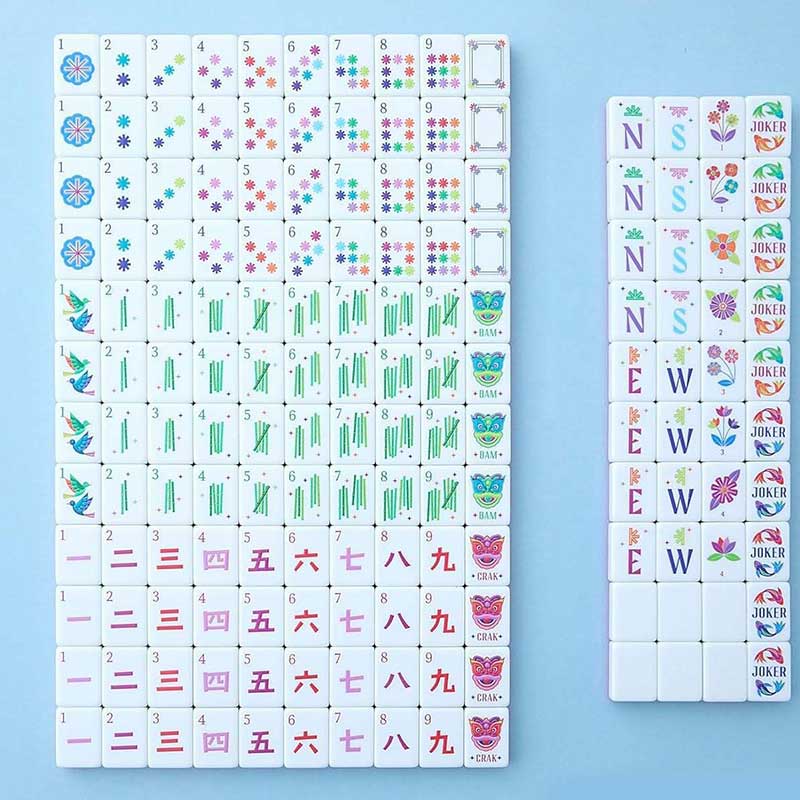
Key Decisions: Tile size (standard is usually 1 x 1.5 inches), font style for the characters, and whether the backing will be solid or transparent.
Quality starts with the raw material. Manufacturers select food-grade, non-toxic acrylic.
Cast Acrylic vs. Extruded Acrylic: For high-end sets, cast acrylic is preferred. It offers superior optical clarity and handles laser engraving much better than the cheaper extruded alternative.
Pigmentation: If the tiles are colored, pigments are mixed into the liquid polymer before it solidifies to ensure the color is consistent throughout the tile, meaning it will never “rub off.”
The acrylic is shaped using one of two primary methods:
Injection Molding: Molten acrylic is injected into high-precision steel molds. This is the gold standard for ensuring every tile in a 144-set is identical in weight and dimension.
Compression Molding: Used for specialized designs, such as tiles with objects embedded inside the acrylic.
This is where the “custom” element truly comes to life. Depending on the complexity, three techniques are used:
Laser Engraving: A high-powered laser etches the traditional characters or custom logos into the tile. This creates a permanent, tactile indentation.
UV Printing: For full-color photos or intricate illustrations, UV-curable ink is printed directly onto the surface and instantly hardened by ultraviolet light.
Hand-Painting/Infilling: After engraving, skilled artisans often hand-fill the indentations with specialized paint to ensure the “Red Dragon” or “Green Prosperity” characters pop with color.
Freshly molded tiles can have sharp edges or a matte finish. To achieve that signature glass-like shine, tiles undergo:
Mechanical Polishing: Tumbling with abrasive media to smooth out edges.
Flame Polishing: A delicate process where a technician passes a high-temperature flame over the surface to melt microscopic imperfections, resulting in a high-gloss finish.
In the world of Mahjong, consistency is everything. A single tile that feels different can “give away” a hand to an observant player.
Uniformity Check: Each tile is measured to within $0.1mm$ of accuracy.
Visual Inspection: Checking for air bubbles, dust inclusions, or ink smudges.
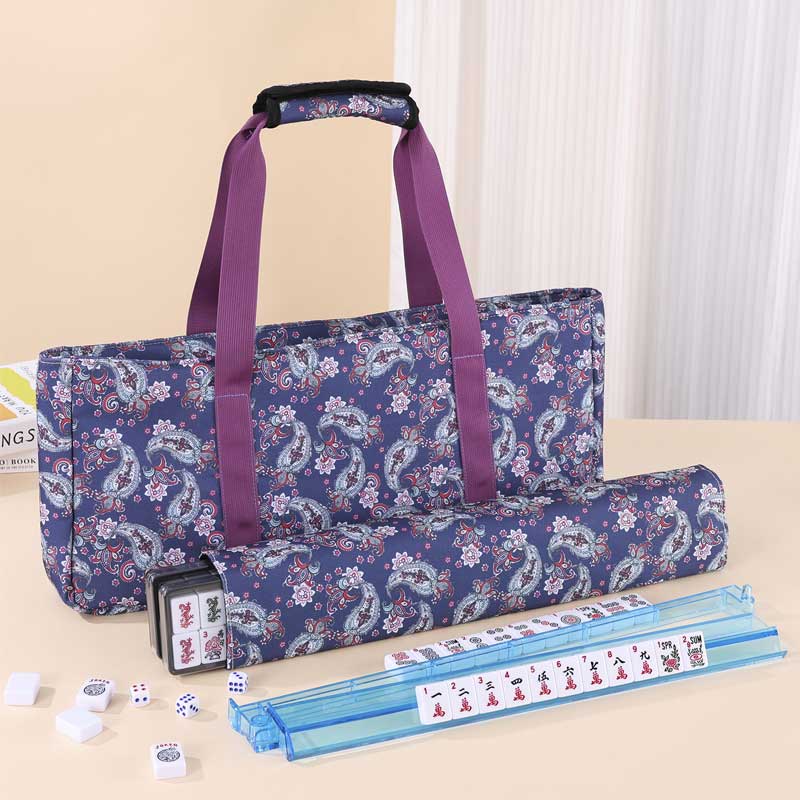
The final step is the “home” for your tiles. Custom sets are typically housed in:
Luxury Cases: Often made of wood, leather, or matching heavy-duty acrylic.
Protective Inserts: High-density foam or felt lining to prevent the tiles from clacking together and scratching during transit.
The industry is moving toward eco-friendly production. Many top-tier manufacturers are now utilizing recycled acrylic (R-PMMA), which maintains the same clarity as virgin plastic but with a significantly lower carbon footprint. Additionally, minimalist designs—where traditional characters are replaced with modern geometric symbols—are gaining traction among younger players.
| Question | Answer |
| How long does production take? | Typically 2–4 weeks depending on the complexity of the engraving. |
| Can I order a single custom set? | While many factories focus on bulk (MOQ 100+), boutique manufacturers offer “one-off” bespoke sets at a premium price. |
| How do I clean my acrylic tiles? | Use a soft microfiber cloth and mild soapy water. Avoid alcohol-based cleaners, which can cause “crazing” (tiny surface cracks) in acrylic. |
A custom acrylic mahjong set is more than a game—it’s a durable investment in culture and social connection. By combining industrial precision with artisanal finishing, manufacturers are able to create sets that are as much a piece of art as they are a tool for play.
Ready to bring your unique Mahjong vision to life? Whether for a brand promotion or a luxury gift, understanding the craftsmanship involved ensures you get a set that lasts a lifetime.